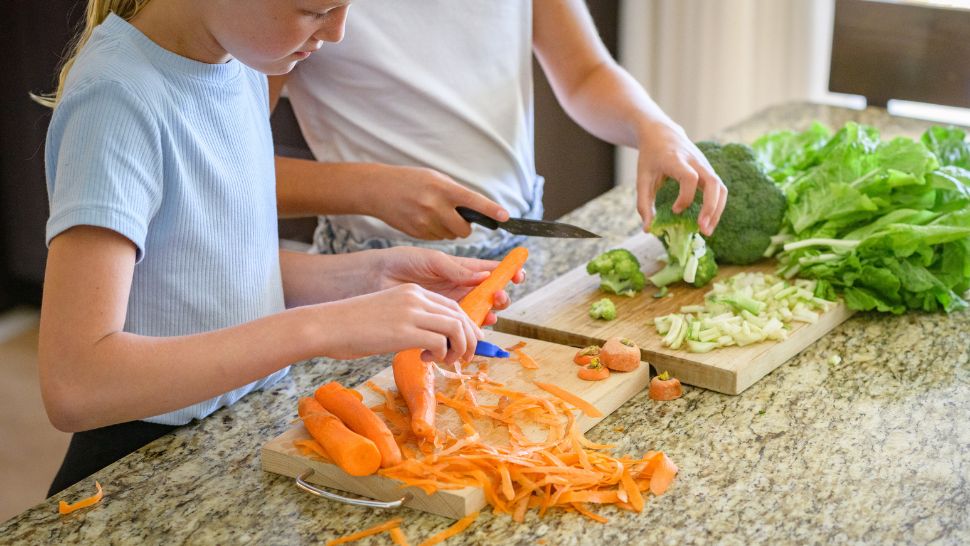
Cooking with kids can go one of two ways: a magical bonding experience filled with giggles, learning, and flour dusted noses or a meltdown-strewn battlefield complete with a broken egg on the floor. The difference? A dash of patience, a sprinkle of creativity, and a hearty helping of fun. Here are nine smile-approved ways to turn cooking into a joyful, enriching family activity that builds skills for life.
- Let them play with their food (sort of).
Yes, we’ve spent years telling kids not to play with their food. But when it comes to cooking, sensory exploration is key. Letting kids touch, smell, and even squish ingredients can stimulate their senses and increase their interest in trying new foods. Studies show that children who engage in tactile play with vegetables are more likely to eat them later (yes, even the green ones). Bonus: squishing dough is a lot like stress relief therapy! - Turn your kitchen into a science lab.
Cooking is edible chemistry. Measuring, mixing, and heating ingredients demonstrates cause and effect and even introduces early physics concepts like states of matter. Use opportunities to ask questions like, “What do you think will happen when we mix baking soda and lemon juice?” Spoiler alert: fizzy fun ensues. This builds curiosity and strengthens early STEM skills. - Embrace the chaos with a job for everyone.
Assign age-appropriate tasks: preschoolers can wash produce or tear lettuce, while older kids can crack eggs or use a peeler. Clear roles prevent fighting over who gets to stir and foster a sense of ownership and pride. Research shows that when kids help make a meal, they’re more likely to eat it — even if it includes kale. - Theme it up!
Cooking with themes can keep things exciting and educational. Try “Little Italy” night and let them knead pizza dough, or a “Sushi Science” day with nori wraps and sticky rice. Learning about global cuisines promotes cultural awareness and palate expansion; no passport required. - Grow it to cook it.
Involve kids in growing herbs or vegetables in a garden or windowsill planter. Research has shown that gardening programs increased vegetable consumption in children (and adults), so pluck some basil and make pesto together or harvest cherry tomatoes and pop them into a salad. Gardening connects kids to where food comes from and gives you a chance to show off your tomato babies. - Get artistic with plating.
Turn mealtime into mealtime-art. Let kids arrange food into smiley faces, rainbows, or zoo animals. It encourages creativity, makes healthy food more fun, and may even reduce picky eating. Pro tip: bell pepper slices make great lion manes, and blueberries? Perfect alien eyes. The more engaging the presentation, the more willing kids are to dig in. - Tell the food story.
Spin a story around the dish: Did pirates eat lentil stew? Is this smoothie the secret power-up for superheroes? Connecting food with imaginative storytelling boosts engagement and attention span, especially in younger children. Plus, it opens the door to nutrition education in a way that feels more like story time than science class. - Let kids lead (with supervision)!
Give them the reins every now and then. Let them choose a recipe, plan a grocery list, or even “host” a mini cooking show while preparing the meal. Leadership builds confidence, autonomy, and critical thinking. And who doesn’t want to be the guest star on a 6-year-old’s YouTube-worthy pancake tutorial? - Celebrate the final product (no matter how it looks).
Burnt cookies? Off-center sandwiches? Celebrate their effort. Make a big deal out of taste tests and encourage everyone to describe the flavors like a fancy food critic. “Hmm, I detect a note of cinnamon with a hint of…crayon?” Praising the process over the product builds resilience and makes them more eager to try again.
Cooking up lifelong skills.
Cooking with kids isn’t just about preparing meals. It’s about fostering independence, encouraging exploration, and making room for connections in a fast-paced world. So go ahead—grab an apron, embrace the mess, and turn your kitchen into a classroom of delicious possibilities.
And if all else fails, there’s always cereal night.